-150x150.png?width=320&quality=80&format=webp)



Disposable vapes and pod systems are the two most compared device formats in vaping right now. They can look similar from the outside, but the experience they offer is fundamentally different.
In 2026, there is no universal winner between the two. Disposable vapes lead on convenience and consistency. Pod systems lead on control and flavor flexibility. The better option depends on whether you value simplicity or customization more.
Here’s an honest, side-by-side look at both.
[Table of Contents]
- What Is a Disposable Vape?
- What Is a Pod Vape System?
- Head-to-Head Comparison
- Convenience: Why Disposables Make Life Easier
- Flavor and Consistency
- Environmental Impact
- Which Device Suits Which User?
- FAQs
- Conclusion
What Is a Disposable Vape?
A disposable vape is a sealed, pre-filled device. Once the e-liquid runs out or the battery dies, the entire device is discarded. Vapor Authority
In 2026, disposables are no longer the small, low-capacity sticks of the past. Today’s devices feature rechargeable batteries, high puff counts, advanced mesh coils, and airflow systems that rival refillable hardware in performance. Innokin
The core proposition is simplicity: zero setup, zero maintenance, ready to use from the moment you open the box.
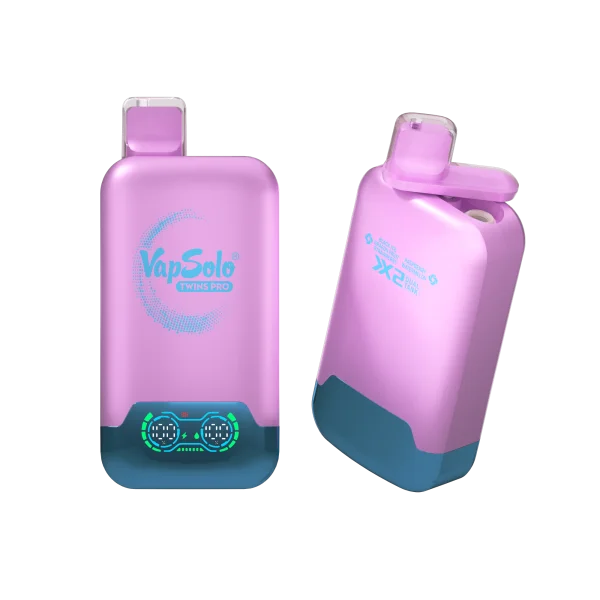
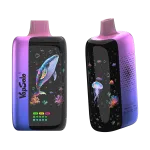
The picture shows the Vapsolo Twins Pro Disposable Vape.
What Is a Pod Vape System?
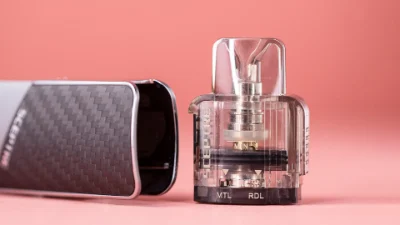
A pod system is a reusable vape device made up of a rechargeable battery unit and a replaceable or refillable pod cartridge. When the e-liquid runs low, users swap in a new pod or refill the existing one. RandM
Pod systems come in two forms. Closed pod systems use brand-specific pre-filled pods — convenient, with a similar feel to disposables but with a reusable battery. Open pod systems accept any compatible e-liquid you choose, giving maximum flavor freedom and the widest range of options.
Head-to-Head Comparison
| Factor | Disposable Vapes | Pod Systems |
|---|---|---|
| Setup difficulty | None (ready out of box) | Low–medium (charging, pod changes) |
| Portability | Excellent (no accessories needed) | Good (slightly bulkier) |
| Maintenance | None | Low–medium |
| Flavor options | Fixed (pre-filled) | Limited (closed) or unlimited (open) |
| Consistency | High (factory-calibrated) | Depends on user setup |
| Environmental impact | Higher (full device discarded) | Lower (only components replaced) |
Convenience: Why Disposables Make Life Easier
This is where disposable vapes have a clear, structural advantage.
Disposable vapes require no charging setup (high-puff models have built-in rechargeable batteries but don’t depend on them to get started), no e-liquid filling, no coil changes, and no understanding of any settings. For new users, travelers, and anyone who doesn’t want to spend time managing a device, this out-of-box experience is something pod systems can’t fully replicate.
Disposables let users focus entirely on the vaping experience itself, rather than device management. That simplicity is the core reason many users continue to choose them, even after they’ve gained experience with more complex setups. Innokin
The travel advantage is especially concrete. A disposable requires no charging cables, spare pods, or e-liquid bottles in your bag. You use it and you’re done — nothing to pack, nothing to maintain, nothing to refill mid-trip.

Flavor and Consistency
Disposable vapes come pre-filled with fixed flavors and nicotine levels. Every unit of the same SKU delivers the same experience, without variation from user setup or filling technique. VapeBeat
Pod systems offer significantly more flavor freedom. Users can choose from a vast range of e-liquids and adjust nicotine strength at any time. Open pod systems give the highest level of customization available in any device format. VapeBeat
But flexibility introduces variables. The consistency of a pod system’s flavor experience depends on how the user fills, maintains, and adjusts it — not a factory standard. For users who simply want “pick it up and have it taste great every time,” the factory-calibrated consistency of disposables is a genuine advantage, not a limitation.
Multi-flavor disposable designs have also narrowed the flexibility gap significantly. Dual-flavor, triple-flavor, and 4-in-1 disposable devices now let users rotate between profiles within a single device, capturing much of the variety benefit of pod systems without any of the maintenance.
Environmental Impact
This is a genuine limitation of disposable vapes and worth addressing directly.
Disposable vapes contain plastic housings and lithium-ion batteries, both of which are discarded when the device is finished. This generates more physical waste than reusable systems. RandM
Pod systems produce significantly less waste overall, since only the pods are replaced while the battery unit continues to be used for months or years. Airis
High-puff rechargeable disposables have improved this picture. A device that lasts 3–4 weeks generates considerably less waste per unit of use than one lasting 3 days. Used disposables should always be taken to an e-waste collection point rather than discarded in regular trash — they contain lithium batteries that require proper recycling.
Which Device Suits Which User?
In 2026, there is no universal winner. Disposable vapes lead on convenience and consistency. Pod systems lead on control and flexibility. Which is better depends entirely on whether you value simplicity or customization more. Innokin
| User Type | Recommended Device | Core Reason |
|---|---|---|
| Complete beginner | Disposable | Zero learning curve, nothing to figure out |
| Casual / social vaper | Disposable | No upkeep, consistent experience every time |
| Frequent traveler | Disposable | No accessories, cables, or liquids to carry |
| User who values consistency | Disposable | Same experience every device, every time |
| Flavor experimenter | Open pod system | Unlimited e-liquid options |
| Environmentally conscious | Pod system | Less waste per unit of use |
| Transitioning from cigarettes | Disposable or closed pod | Simplicity supports the adjustment period |
FAQs
Is a disposable vape safer than a pod system? Both carry comparable risks. Safety depends more on product quality and usage habits than on the device type itself. Vapor Authority Buying from regulated, compliant sources is the most important factor regardless of format.
Do pod systems produce more vapor? Generally yes, especially models with adjustable airflow and power output. AVOTX Official Closed pod systems tend to be comparable to disposables in vapor volume. The biggest difference appears with open, high-wattage pod setups.
What should I do with a finished disposable vape? Do not put it in regular household trash. Disposable vapes contain lithium batteries and are classified as electronic waste. Take them to a designated e-waste collection point or a vape retailer that operates a take-back program. Many supermarkets and specialist stores now have dedicated bins for used disposables.
Can I try both before committing to one? Yes — and that’s often the best approach. Start with a disposable to experience the format with zero commitment. If you find yourself vaping regularly, explore a closed pod system as the next step. It keeps the simplicity of pre-filled pods while introducing the rechargeable battery habit.

Conclusion
Disposables for simplicity, consistency and convenience. Pod systems for control, flexibility and variety. In 2026, both formats are genuinely good — the right one is the one that matches how you actually live.